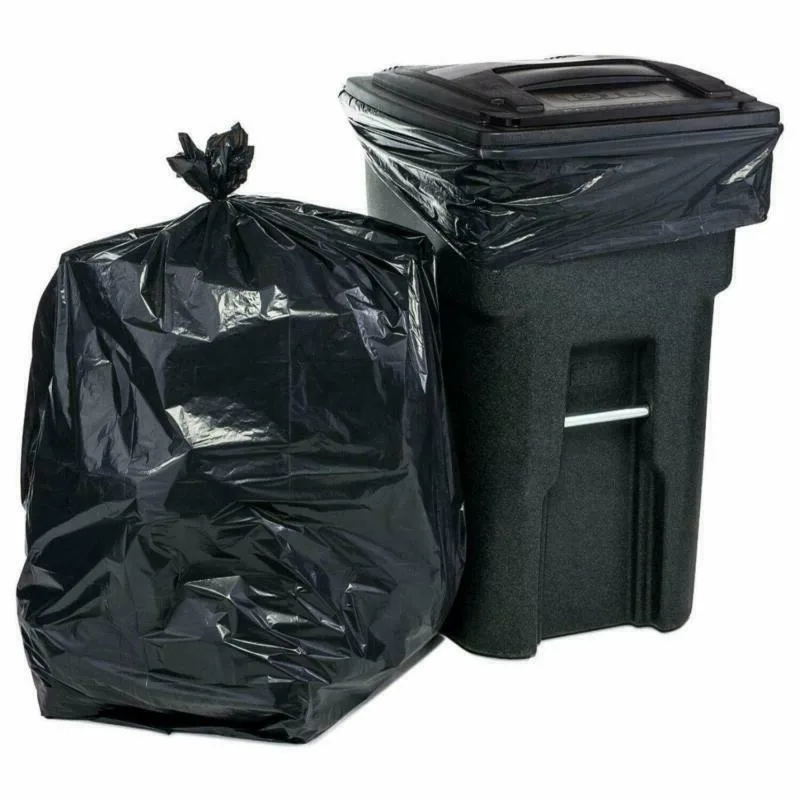
96 Gallon Trash Liner 3 MIL 50/CS
Introduction to 96 Gallon Trash Liner
Stocked in Fresno. If it is short when we pull it, you get a ship date before anything goes out.
- Ship weight
- 42.15 lb
- Shipping
- Ships UPS, freight over 150 lb
About this product
Introduction to 96 Gallon Trash Liner
Trash liners play a crucial role in maintaining cleanliness and hygiene in our homes and workplaces. Specifically designed to fit over 96-gallon trash toters, these liners offer convenience and efficiency in waste management. In this article, we delve into the various aspects of 96-gallon trash liners, exploring their dimensions, thickness, advantages, eco-friendliness, buying guide, usage tips, maintenance, misconceptions, customer testimonials, and FAQs.
Understanding the Dimensions
Importance of Size
Choosing the right-sized trash liner is essential for hassle-free disposal. A 96-gallon trash liner, with dimensions typically around 34 x 27 x 68 inches, ensures a snug fit over standard 96-gallon trash toters.
How to Measure for Proper Fit
Measuring your trash toter is crucial for selecting the appropriate liner size. Simply measure the length, width, and height of your trash toter and choose a liner that matches these dimensions.
Thickness Matters: The Significance of MIL
Trash liners are often categorized by thickness, measured in MIL (thousandths of an inch). A 3 MIL thickness offers sturdy protection against tears and leaks, making it ideal for containing heavy or sharp objects without puncturing.
Advantages of 96 Gallon Trash Liners
Durability
The robust construction of 96-gallon trash liners ensures durability, preventing leaks and tears even under heavy loads.
Capacity
With a generous capacity of 96 gallons, these liners accommodate large volumes of waste, reducing the frequency of emptying and replacement.
Leak Protection
The thicker MIL ensures superior leak protection, preventing liquids from seeping through and causing messes.
Eco-Friendly Options
Biodegradable Materials
Many manufacturers offer eco-friendly options made from biodegradable materials, reducing environmental impact and promoting sustainability.
Recycling Initiatives
Some companies support recycling initiatives by using recycled materials in their trash liners, contributing to the circular economy.
Buying Guide: Factors to Consider
Material Quality
Opt for liners made from high-quality materials like HDPE (High-Density Polyethylene) for enhanced durability and reliability.
Brand Reputation
Choose reputable brands known for their quality and reliability in producing trash liners.
Cost-Effectiveness
Consider the long-term cost-effectiveness of purchasing bulk quantities or subscribing to regular deliveries to save on expenses.
Tips for Proper Usage
Loading Techniques
Distribute weight evenly within the liner to prevent overloading and potential tears.
Securing the Liner
Ensure the liner is securely tucked into the trash toter to prevent slipping or bunching during use.
Maintenance and Longevity
Cleaning Procedures
Regularly clean the inside of your trash toter and replace liners as needed to maintain cleanliness and hygiene.
Storage Tips
Store unused liners in a cool, dry place away from direct sunlight to prevent degradation and maintain freshness.
Common Misconceptions Debunked
One-Size-Fits-All Myth
Contrary to popular belief, not all trash liners are one-size-fits-all. It's essential to choose the right size and thickness for optimal performance.
Issues with Thickness
Thicker liners may seem bulkier, but they offer superior durability and leak protection, making them worth the investment.
Customer Reviews and Testimonials
Before making a purchase, consider reading customer reviews and testimonials to gauge the quality and performance of different trash liner brands.
FAQs
1. Are 96-gallon trash liners suitable for outdoor use?
Yes, 96-gallon trash liners are designed to withstand outdoor conditions and are suitable for both indoor and outdoor use.
2. Can I use 96-gallon trash liners for commercial purposes?
Absolutely, 96-gallon trash liners are commonly used in commercial settings such as restaurants, offices, and retail establishments due to their large capacity and durability.
3. How do I dispose of biodegradable trash liners responsibly?
Biodegradable trash liners can be disposed of in composting facilities or with other organic waste to facilitate decomposition and minimize environmental impact.
4. Are there any alternatives to traditional plastic trash liners?
Yes, alternatives such as compostable liners made from plant-based materials or recycled paper liners offer eco-friendly options for waste disposal.
5. Can I recycle 96-gallon trash liners?
While traditional plastic liners may not be recyclable in all areas, some manufacturers offer recycling programs for their products. Check with your local recycling facilities for specific guidelines.
96-gallon trash liners are indispensable tools for efficient waste management, offering durability, leak protection, and eco-friendly options. By understanding their dimensions, thickness, advantages, and proper usage, you can ensure hassle-free waste disposal while minimizing environmental impact.