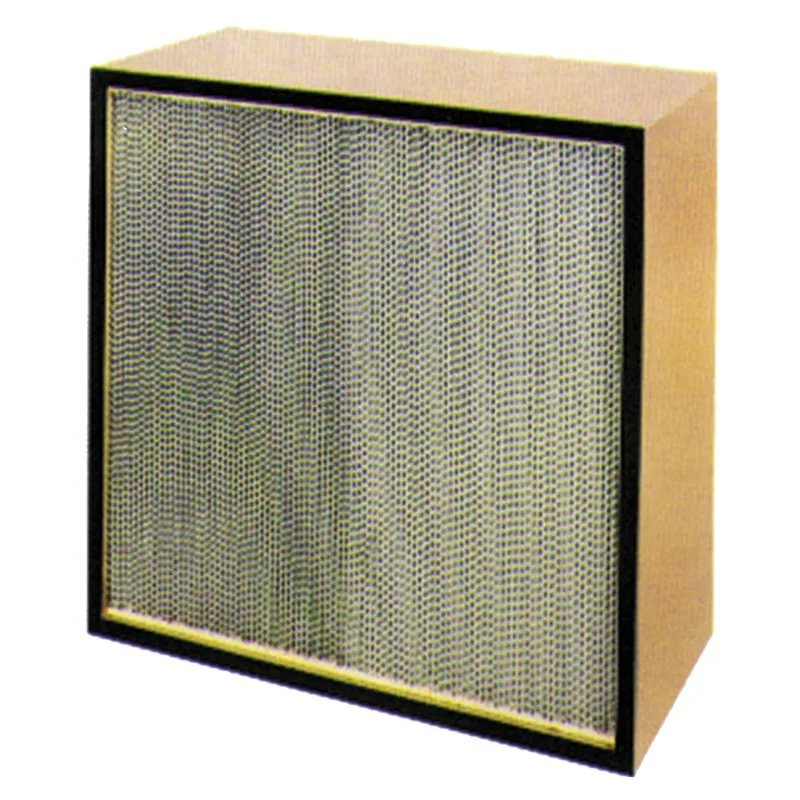
HEPA Filter 24" X 24" X 12"
HEPA Filter 24" X 24" X 12": Enhancing Air Quality with Precision
Stocked in Fresno. If it is short when we pull it, you get a ship date before anything goes out.
- Shipping
- Ships UPS, freight over 150 lb
About this product
HEPA Filter 24" X 24" X 12": Enhancing Air Quality with Precision
In today's industrial and commercial landscape, maintaining clean air quality is paramount. Whether in hospitals, pharmaceutical plants, or clean rooms, the need for effective filtration systems is undeniable. Among the various options available, HEPA filters stand out for their exceptional performance and reliability. In this article, we'll delve into the specifics of the HEPA Filter 24" X 24" X 12", exploring its features, benefits, applications, and more.
Importance of Clean Air
Clean air is not just a luxury but a necessity in many settings. In healthcare facilities, it's crucial for patient recovery and infection control. Similarly, in clean rooms and industrial environments, air quality directly impacts product quality and employee health. HEPA filters play a pivotal role in ensuring that the air circulated is free from contaminants, allergens, and harmful particles.
Understanding HEPA Filters
HEPA, or High-Efficiency Particulate Air, filters are designed to trap particles as small as 0.3 microns with an efficiency of 99.97%. They achieve this through a combination of mechanical and diffusion-based mechanisms. The filter media, composed of densely packed fibers, captures particles as air passes through, effectively removing them from the airstream.
Features of HEPA Filter 24" X 24" X 12"
The HEPA Filter 24" X 24" X 12" boasts specific dimensions of 24 inches in length, 24 inches in width, and 12 inches in thickness. With a capacity of 2000 cfm (cubic feet per minute), it's capable of handling large volumes of air while maintaining optimal filtration efficiency. Constructed with aluminum media and a sturdy wood body, this filter ensures durability and reliability in diverse environments.
Applications of HEPA Filter 24" X 24" X 12"
The versatility of the HEPA Filter 24" X 24" X 12" makes it suitable for various applications. From hospitals and laboratories to manufacturing facilities and clean rooms, its high filtration efficiency makes it indispensable for maintaining clean and safe environments. Additionally, its robust construction ensures consistent performance even in challenging conditions.
Benefits of Using HEPA Filter 24" X 24" X 12"
The utilization of HEPA Filter 24" X 24" X 12" offers numerous benefits. Its high filtration efficiency ensures the removal of airborne contaminants, providing a healthier and safer environment for occupants. Moreover, it helps protect sensitive equipment from damage caused by dust and particulate matter, thereby reducing maintenance costs and downtime.
Installation and Maintenance
Proper installation and regular maintenance are crucial for maximizing the performance and longevity of HEPA filters. Following manufacturer guidelines for installation ensures optimal airflow and filtration efficiency. Additionally, routine inspection and replacement of filters prevent clogging and maintain consistent airflow, preserving indoor air quality.
Cost-Effectiveness
While HEPA filters may involve initial investment costs, their long-term benefits outweigh the expenses. By reducing the risk of equipment failure, contamination, and health-related issues, they contribute to overall cost savings and operational efficiency. Moreover, their extended lifespan and durability make them a cost-effective choice for various applications.
Environmental Impact
In an era where sustainability is paramount, the environmental impact of filtration systems cannot be overlooked. HEPA filters, with their efficient particle capture and recyclable materials, offer a sustainable solution for clean air requirements. Proper disposal and recycling further minimize their ecological footprint, aligning with green initiatives.
Comparison with Other Filters
Compared to standard filters, HEPA filters offer superior filtration efficiency, capturing smaller particles with greater precision. Similarly, when compared to ULPA (Ultra-Low Penetration Air) filters, HEPA filters provide a balance between efficiency and airflow capacity, making them suitable for a wide range of applications.
Choosing the Right HEPA Filter
Selecting the appropriate HEPA filter involves considering various factors such as airflow requirements, space constraints, and filtration efficiency. Customization options allow users to tailor filters according to specific needs, ensuring optimal performance and compatibility with existing systems.
Case Studies and Success Stories
Real-world examples demonstrate the effectiveness of HEPA Filter 24" X 24" X 12" in diverse settings. Testimonials from users highlight its reliability, performance, and contribution to maintaining clean air quality, underscoring its importance in critical environments.
Future Trends in Filtration Technology
As technology continues to evolve, so do filtration systems. Advancements in HEPA filter design, materials, and manufacturing processes promise even greater efficiency and performance. Emerging technologies such as nanofiber filtration hold the potential to further enhance air quality standards, setting new benchmarks for cleanliness and purity.
HEPA Filter 24" X 24" X 12" stands as a testament to innovation and excellence in air filtration technology. With its precision engineering, high filtration efficiency, and versatile applications, it remains a cornerstone in ensuring clean and safe environments across various industries. As the demand for clean air continues to grow, investing in quality filtration solutions like HEPA filters is not just a choice but a necessity for a healthier and more sustainable future.
FAQs
What does HEPA stand for?
HEPA stands for High-Efficiency Particulate Air.
Are HEPA filters washable?
While some HEPA filters are washable, it's recommended to replace them regularly for optimal performance.
Can HEPA filters remove odors?
HEPA filters primarily capture airborne particles and are not designed to remove odors. However, some