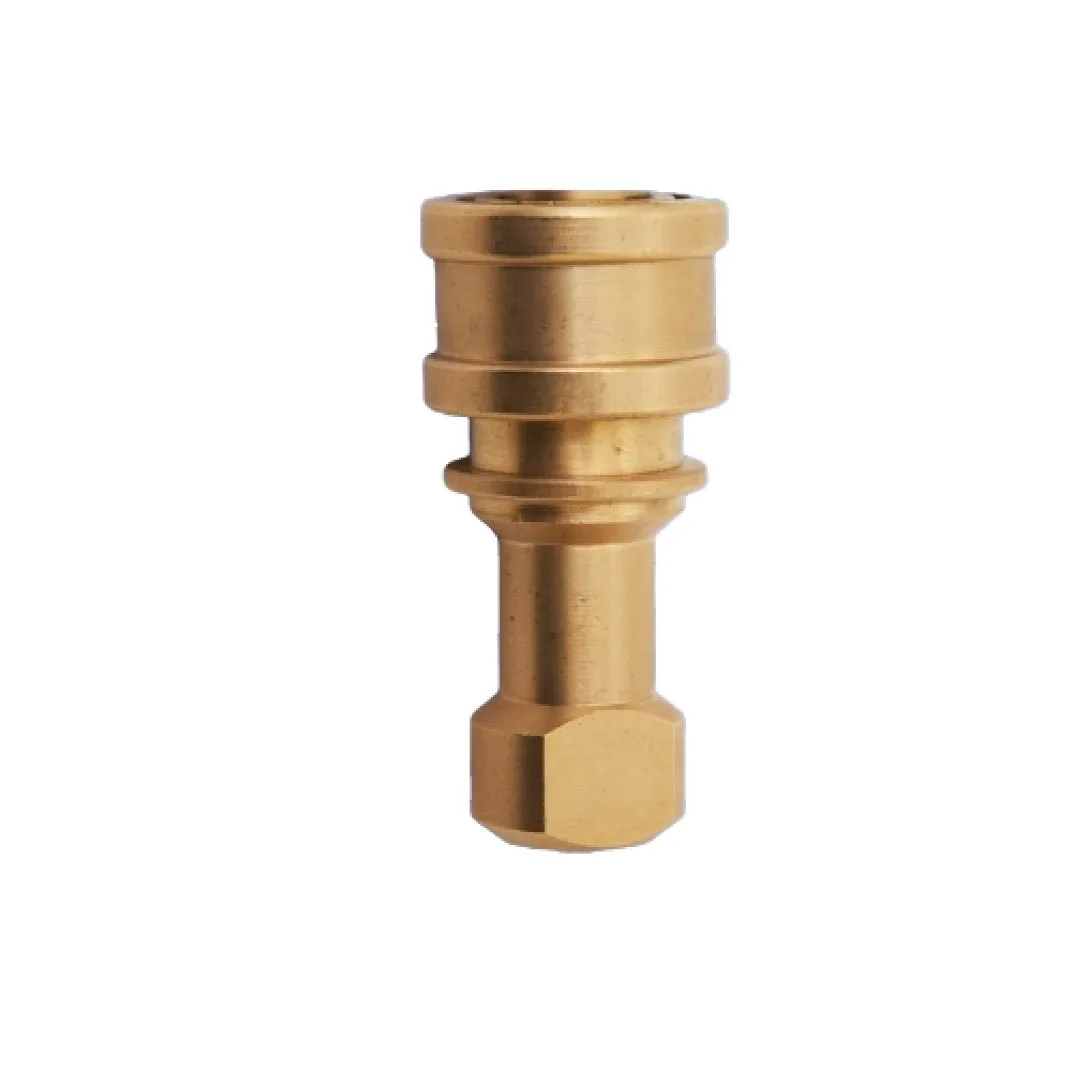
Quick Disconnect Brass 1/8" Female
Quick Disconnect Brass 1/8" Female: The Ultimate Guide
Stocked in Fresno. If it is short when we pull it, you get a ship date before anything goes out.
- Ship weight
- 0.4 lb
- Shipping
- Ships UPS, freight over 150 lb
About this product
Quick Disconnect Brass 1/8" Female: The Ultimate Guide
Quick disconnect brass connectors are indispensable components in various industries, offering efficient and reliable connections in pneumatic, hydraulic, and gas applications. Among these connectors, the 1/8" female brass quick disconnects stand out for their versatility and durability. In this comprehensive guide, we delve into the intricacies of these connectors, exploring their features, applications, advantages, and much more.
Introduction to Quick Disconnect Brass Connectors
Quick disconnect brass connectors are fittings designed to facilitate rapid connections and disconnections in fluid and gas systems. These connectors feature a simple yet effective mechanism that allows for seamless engagement and disengagement, saving time and effort during maintenance or system reconfiguration.
Understanding 1/8" Female Connectors
The term "1/8" female connector" refers to the size and gender of the connector. In this context, "1/8"" denotes the diameter of the connector's thread, while "female" indicates that it receives and mates with a male counterpart. This standardized sizing ensures compatibility and interchangeability across different systems and manufacturers.
Features of Brass Quick Disconnects
Brass quick disconnects boast several features that make them highly desirable in industrial applications. These features include:
Corrosion Resistance : Brass exhibits excellent resistance to corrosion, making it suitable for use in various environments.
High Strength : Brass is known for its robustness, ensuring reliable performance even under high pressure and temperature conditions.
Machinability : Brass is easy to machine, allowing for intricate designs and precise tolerances in connector manufacturing.
Leak Resistance : Brass connectors offer tight seals, minimizing the risk of leaks and ensuring system integrity.
Applications and Uses
Brass quick disconnects find application across diverse industries, including:
Pneumatics : In pneumatic systems for air compression and distribution.
Hydraulics : In hydraulic systems for fluid power transmission.
Gas Systems : In gas pipelines for fuel distribution and regulation.
Automotive : In vehicle air conditioning, braking, and fuel systems.
Industrial Machinery : In manufacturing equipment for fluid control and conveyance.
Advantages of Using Brass Quick Disconnects
The utilization of brass quick disconnects offers several advantages, such as:
Reliability : Brass connectors provide dependable connections, reducing downtime and maintenance costs.
Versatility : Brass quick disconnects are compatible with a wide range of fluids and gases, enhancing their applicability.
Durability : Brass's inherent strength and corrosion resistance contribute to the longevity of quick disconnects, ensuring prolonged service life.
Ease of Installation : Brass connectors are user-friendly, allowing for swift installation and removal without specialized tools.
Choosing the Right Brass Quick Disconnect
When selecting brass quick disconnects for a specific application, consider the following factors:
Operating Conditions : Assess the pressure, temperature, and environmental conditions to ensure compatibility.
Fluid Compatibility : Verify that the connector materials are compatible with the fluid or gas being conveyed.
Connection Type : Determine whether a push-to-connect, thread-to-connect, or bayonet-style connector is suitable for the application.
Size and Configuration : Select the appropriate size and configuration to achieve optimal performance and fit within space constraints.
Installation and Maintenance Tips
Proper installation and maintenance are essential for maximizing the performance and lifespan of brass quick disconnects. Follow these tips:
Inspect Seals : Regularly check O-rings and seals for wear or damage, replacing them as needed to prevent leaks.
Clean Connections : Keep connector surfaces clean and free of debris to ensure proper mating and sealing.
Apply Lubrication : Use compatible lubricants on threads and seals to facilitate smooth engagement and disengagement.
Avoid Over-tightening : Tighten connections securely but avoid excessive force, which can damage threads or seals.
Safety Measures
While brass quick disconnects offer numerous benefits, it's essential to observe safety precautions to prevent accidents or system failures:
Pressure Rating : Ensure that connectors are rated for the maximum operating pressure of the system to prevent overloading.
Ventilation : When handling gas systems, work in well-ventilated areas to minimize the risk of exposure to hazardous fumes.
Avoid Contamination : Prevent contamination of fluids or gases by using clean, compatible components and following proper handling procedures.
Regular Inspections : Periodically inspect connectors for signs of wear, corrosion, or fatigue that may compromise safety.
Comparison with Other Materials
Brass quick disconnects compete with alternative materials such as stainless steel, aluminum, and plastic. Each material has its advantages and limitations, and the choice depends on specific application requirements, cost considerations, and environmental factors.
Cost Considerations
While brass connectors may have higher upfront costs compared to some alternative materials, their durability and longevity often result in lower total cost of ownership over the equipment's lifespan. Consider the overall value proposition, including maintenance, replacement, and downtime costs, when evaluating cost-effectiveness.
Environmental Impact
Brass is a recyclable material, contributing to sustainability efforts in manufacturing and waste management. Proper disposal and recycling of brass components help reduce environmental impact and conserve natural resources.
Future Trends in Quick Disconnect Technology
The future of quick disconnect technology is marked by innovations aimed at enhancing perf