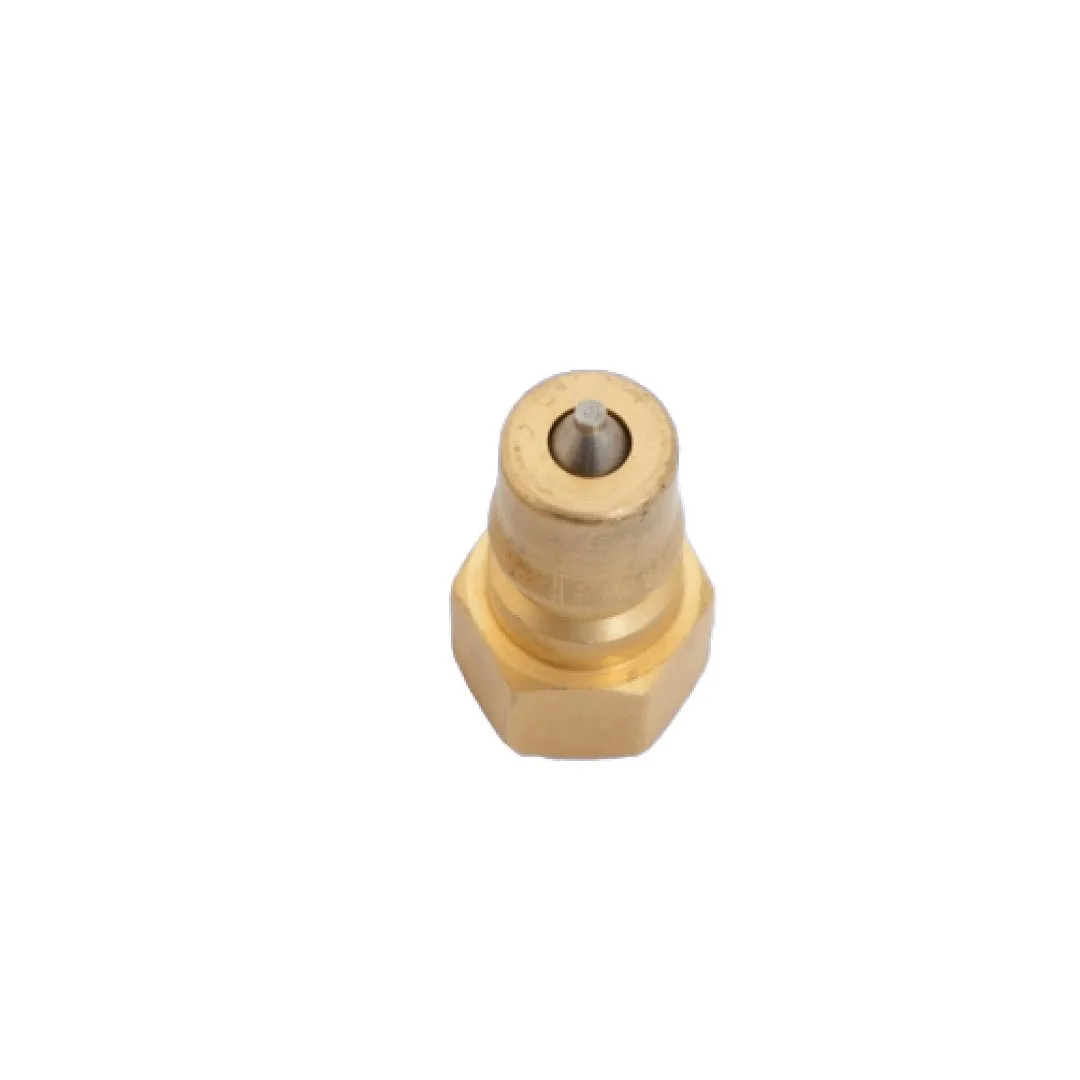
Quick Connect 1/4" Male Brass
Introduction to Quick Connect 1/4" Male Brass
Stocked in Fresno. If it is short when we pull it, you get a ship date before anything goes out.
- Ship weight
- 0.2 lb
- Shipping
- Ships UPS, freight over 150 lb
About this product
Introduction to Quick Connect 1/4" Male Brass
If you've ever worked with plumbing or pneumatic systems, you know the importance of reliable fittings. Quick Connect 1/4" Male Brass fittings are essential components in such systems, providing secure connections and efficient flow control. In this article, we'll delve into the intricacies of these fittings, exploring their features, benefits, applications, and more.
Understanding Quick Disconnect (QD)
Quick Disconnect, commonly referred to as QD, is a mechanism that allows for rapid and effortless connection and disconnection of fluid lines or hoses. In the context of male brass fittings, QD ensures swift assembly and disassembly without compromising on seal integrity.
Benefits of Brass Material
Brass, a metal alloy composed primarily of copper and zinc, offers numerous advantages in fitting applications. Its inherent properties include excellent corrosion resistance, high malleability, and thermal conductivity, making it ideal for various environments and operating conditions.
Specifications of Male Brass Fittings
Male brass fittings typically feature a 1/4" thread size, indicating the diameter of the threaded portion. This standardized measurement ensures compatibility with corresponding female fittings, facilitating seamless integration within systems.
Applications of 1/4" Male Brass Connectors
These versatile fittings find widespread use across diverse industries, including plumbing, HVAC, automotive, and industrial manufacturing. From air compressors to hydraulic systems, 1/4" male brass connectors play a crucial role in establishing fluid connections.
Importance of Size (M 1/4")
The "M 1/4" designation specifies the thread size and pitch of the male brass fitting. Choosing the correct size is paramount to achieving proper alignment and seal integrity. Mismatched sizes can result in leaks, pressure drops, and system inefficiencies.
Installation Process of Male Brass Fittings
Installing 1/4" male brass fittings requires meticulous attention to detail to ensure a leak-free connection. Steps typically involve cleaning the mating surfaces, applying thread sealant or tape, and tightening the fittings to the recommended torque specifications.
Maintenance Tips for Longevity
To prolong the lifespan of male brass fittings, regular maintenance is essential. This includes periodic inspection for signs of wear or damage, lubrication of moving parts, and replacement of worn seals or gaskets.
Comparing Brass with Other Materials
While brass offers commendable performance in many applications, it's essential to consider alternative materials such as stainless steel, aluminum, or plastic based on specific requirements. Factors like chemical compatibility, temperature resistance, and cost-effectiveness influence material selection.
Cost Considerations
Although brass fittings may incur a higher initial cost compared to some alternatives, their durability and reliability often justify the investment in the long run. Factor in the total cost of ownership, including maintenance, repairs, and downtime, to make an informed decision.
Safety Measures
When handling male brass fittings, adherence to safety protocols is paramount. Avoid exposure to hazardous chemicals, ensure proper ventilation in confined spaces, and use appropriate personal protective equipment to mitigate risks.
Environmental Impact
Brass, being a recyclable material, aligns with sustainability initiatives aimed at reducing environmental footprint. Proper disposal of used fittings and recycling of scrap brass contribute to resource conservation and waste reduction efforts.
Common Mistakes to Avoid
Misapplication or improper installation of male brass fittings can lead to costly consequences. Avoid common mistakes such as overtightening, using incompatible materials, neglecting maintenance, or ignoring safety precautions.
Troubleshooting Guide
Encountering issues with male brass fittings? Refer to this troubleshooting guide for solutions to common problems like leaks, thread damage, or improper assembly. Prompt identification and resolution of issues are crucial to maintaining system performance.
Conclusion: Choosing the Right Male Brass Fittings
In conclusion, Quick Connect 1/4" Male Brass fittings offer a reliable solution for fluid connection needs across various industries. Understanding their features, benefits, and proper application is key to maximizing performance and longevity. By selecting the right fittings and following best practices in installation and maintenance, you can ensure smooth operation and minimize downtime in your systems.
FAQs
1.Are male brass fittings compatible with all types of fluids?
Yes, male brass fittings are compatible with a wide range of fluids, including water, oil, air, and gas, making them versatile for various applications.
2.Can I reuse brass fittings after disassembly?
Yes, brass fittings can typically be reused after disassembly, provided they are in good condition and free from damage or wear.
3.What factors should I consider when selecting thread sealant for brass fittings?
When selecting thread sealant for brass fittings, consider factors such as compatibility with the fluid being transported, temperature resistance, and curing time.
4.How do I prevent thread galling when tightening brass fittings?
To prevent thread galling when tightening brass fittings, ensure clean mating surfaces, apply a suitable lubricant, and avoid excessive force during installation.
5.Are there any special considerations for outdoor installations of brass fittings?
For outdoor installations, it's essential to protect brass fittings from exposure to harsh weather conditions and UV radiation to prevent degradation and ensure long-term performance.